
A thoughtful approach to care
My goal is not simply to treat your scan. It is to understand you, understand your shoulder, and help you return to the activities that matter most to you.
I believe that the most important part of any consultation is listening. I want to give you the time to explain how your symptoms started, how they have changed over time, and most importantly, how they affect your daily life.
Shoulder and upper limb conditions are rarely diagnosed from a scan alone. The story you tell me, combined with a careful examination, often provides far more information than imaging by itself. My aim is not only to identify the source of your pain or weakness, but to help you understand why it has developed and what treatment options are most appropriate for you.



Sometimes there is a clear injury, such as a fall or sporting accident, where scans are important to identify structural damage and determine whether surgery may be beneficial. In many other cases, however, pain, stiffness or weakness develops gradually. Whilst imaging can be extremely helpful, it is not uncommon for scans to show changes that are simply part of normal ageing and are not necessarily the cause of your symptoms. Understanding the whole picture is therefore essential.
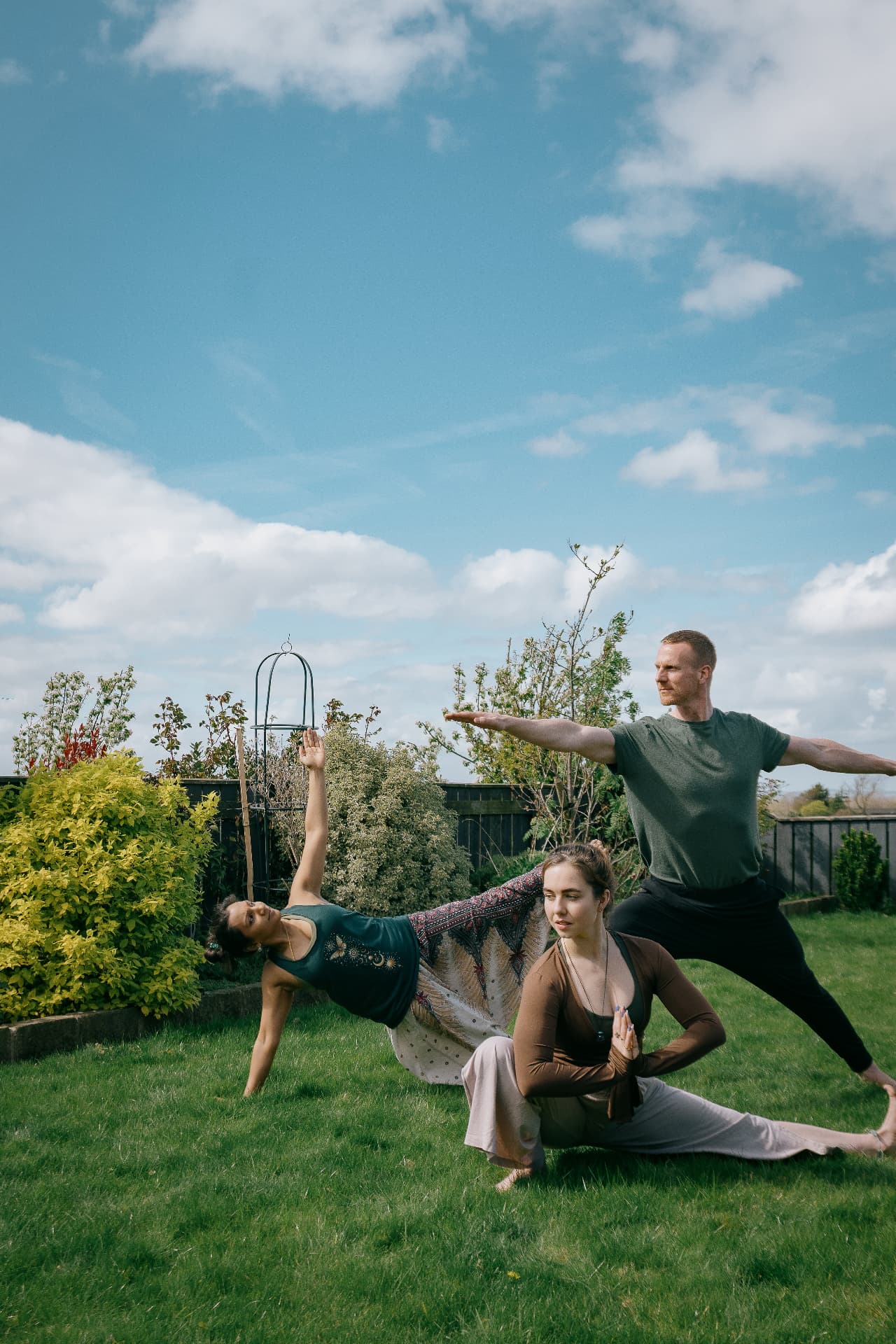
I take a holistic approach to shoulder care. The shoulder is a complex joint that relies on the coordinated function of muscles around the shoulder blade, rotator cuff and neck. Posture, movement patterns, workplace ergonomics, sporting technique and even periods of stress can all influence how the shoulder functions and how pain is experienced. Addressing these factors through specialist physiotherapy, exercise, lifestyle changes and, for some patients, practices such as yoga can make a profound difference.
When appropriate, ultrasound-guided or diagnostic injections can also play an important role. They can help confirm the source of pain, reduce inflammation, and create a valuable window of opportunity where pain is controlled sufficiently for rehabilitation to become more effective. By combining accurate diagnosis with targeted treatment and physiotherapy, many patients are able to regain comfortable movement without the need for surgery.
When surgery is the right option, I will explain the reasons clearly, discuss the available treatments, and help you make an informed decision. My philosophy is simple: the right treatment for the right patient, at the right time. Sometimes that means surgery, but often it does not.
Let's look at this together
A consultation is a conversation. We work out what is going on, talk through every reasonable option, and agree a plan that suits your life.
Request an appointment