
17 September 2026
When can I shower?
Practical guidance on keeping your wound dry, when it is safe to shower after shoulder or hand surgery, and when to seek advice.
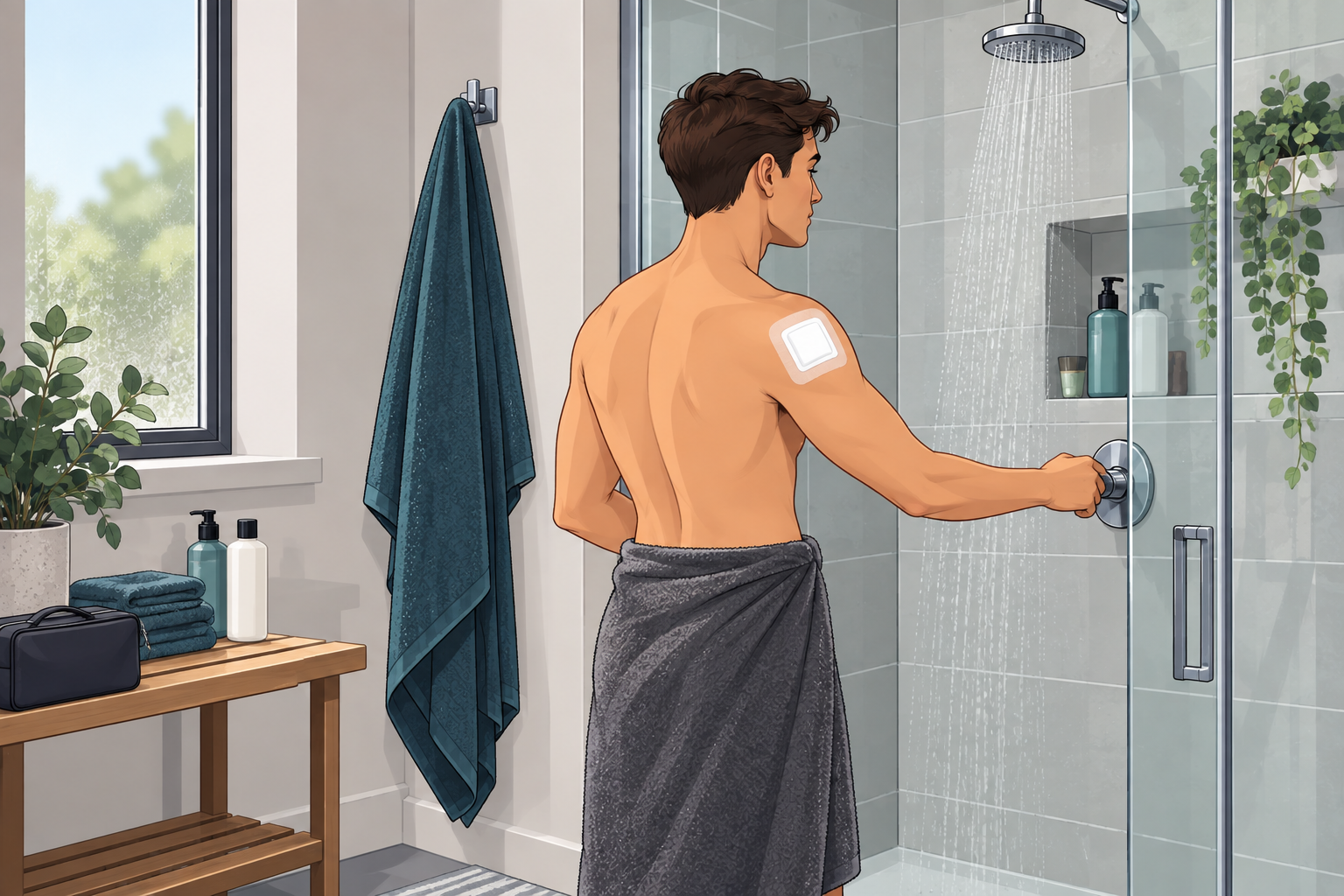
This is a really common cause of anxiety after an operation. Nobody wants to do anything that might interfere with their wound healing, but equally, you need to be able to wash!
The exact advice varies a little depending on the operation you’ve had and the type of wound and dressing. In general, however, your wound should be kept clean and dry until it has healed sufficiently and no longer needs a dressing.
When we close your wound and apply the dressing at the end of an operation, this is done in a sterile environment. The dressing helps protect the wound while the skin starts to heal and provides a barrier from the outside world.
What if I’ve had keyhole surgery?
After keyhole surgery (arthroscopy), the wounds are usually very small and may not need a formal wound check by a doctor or practice nurse.
Unless you’ve been given different instructions, I would generally wait around 10 days before getting these wounds wet. At that point, have a look at them. They should be completely dry and closed, with no areas that are still open or oozing.
If you still have Steri-Strips over the wounds, leave these in place for as long as you’ve been instructed and continue to keep the area dry. Once the Steri-Strips have been removed and the wounds underneath are dry and healed, you can usually shower normally.
What about an open operation?
Larger wounds following an open operation will usually have a formal wound check.
Once the wound has been checked, is healing well, is completely dry and no longer requires a dressing or Steri-Strips, you can usually start getting it wet.
What about hand surgery?
Some smaller hand operations are slightly different. After something such as a carpal tunnel release, for example, I would usually ask you to keep the wound dry for around 10 days.
You can still shower during that time — you just need to protect the hand and dressing from getting wet. A waterproof covering or glove over the hand can make this much easier.
Is having a bath the same as having a shower?
No — and this is an important distinction.
A quick shower once a wound is sufficiently healed is very different from soaking a wound in water.
Before having a bath, swimming or otherwise submerging the wound, I would want it to be completely healed. If you’re not sure whether it is ready, wait or ask your surgical team.
What if I’m worried about my wound?
If something about your wound doesn’t look right after an operation, I would much rather hear from you directly.
Minor wound problems don’t necessarily mean that you have an infection. For example, occasionally the skin can become irritated by a small knot of suture material, or you can develop a small stitch abscess.
For that reason, I don’t recommend simply starting antibiotics “just in case” without the wound being properly assessed. Antibiotics can sometimes temporarily change how a wound looks without addressing the underlying problem, which can make subsequent assessment more difficult.
Infection following elective surgery is uncommon. However, I would want to know if a wound that had previously been dry starts leaking again, if it continues to ooze and requires repeated dressing changes, or if you are otherwise concerned about how it is healing.
If you also develop a temperature, become systemically unwell, or become acutely unwell when you cannot contact your surgical team, you should seek urgent medical advice.
The most important thing
Different operations have different wound-care instructions. The advice given to you after your own operation should always take priority over general information online.
If you’re unsure whether your wound is ready to get wet, there is absolutely no harm in keeping it dry for a little longer and checking with your surgical team.
Written by Miss Aparna Viswanath, Consultant Shoulder & Upper Limb Surgeon. General information only, not individual medical advice.
Back to all articles