
What it is
A SLAP tear (Superior Labrum Anterior to Posterior tear) is an injury to the ring of cartilage (the labrum) at the top of the shoulder socket where the long head of the biceps tendon attaches.
How it usually presents
- Pain deep within the shoulder
- Painful clicking
- Discomfort during overhead activities or throwing
- Occasionally a feeling that the shoulder is catching
Why does it happen?
SLAP tears can occur following a fall onto the shoulder, a shoulder dislocation, or repetitive overhead activities. They are particularly well recognised in baseball pitchers in North America, where the extreme throwing position places considerable stress on the top of the labrum. This has led to a great deal of research from the United States and, understandably, a significant amount of information online. However, the situation is often rather different in the UK and Europe.
How it is assessed
Many SLAP tears seen on MRI scans are simply part of normal wear and tear over time and are not actually responsible for a patient's symptoms. For this reason, MRI findings should always be interpreted alongside your history and examination rather than treated in isolation. Similar symptoms can also arise from rotator cuff problems, long head of biceps tendon irritation, instability or other shoulder conditions, making an accurate diagnosis particularly important.
Treatment options
- Physiotherapy to improve shoulder mechanics, cuff strength and scapular control
- Biceps tenotomy where symptoms persist despite rehabilitation
- Subpectoral biceps tenodesis in younger or more active patients
- Arthroscopic repair for more extensive labral tears following instability or trauma
Overhead and throwing sports
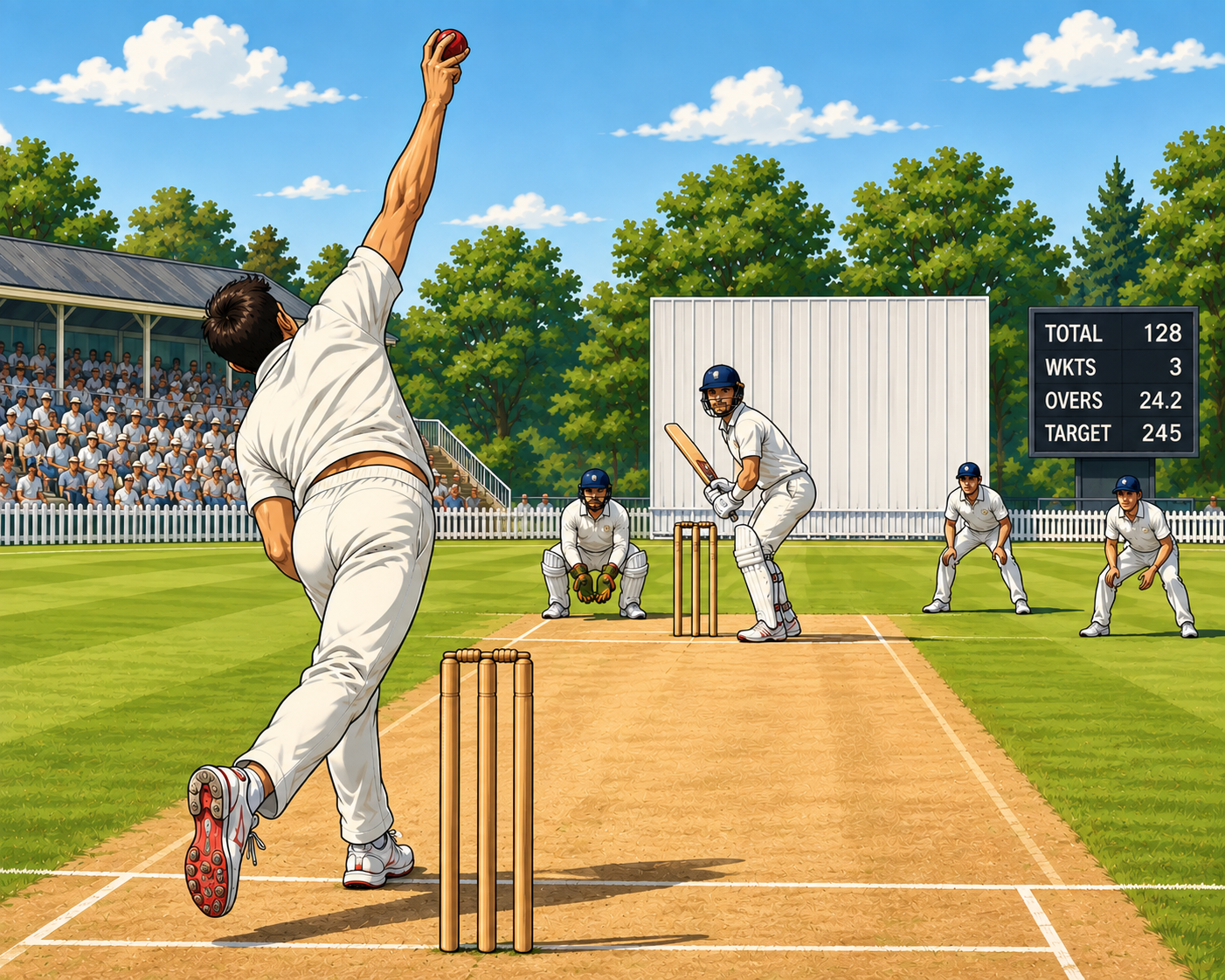
In the UK, it is more often cricketers, racket sport players, swimmers and those doing repetitive overhead work who present with these symptoms rather than baseball pitchers. The repeated, forceful overhead position loads the top of the labrum and the biceps anchor in a very similar way.
Treatment
In the vast majority of patients, physiotherapy is the mainstay of treatment. Improving shoulder mechanics, strengthening the rotator cuff and restoring scapular control frequently allows symptoms to settle without the need for surgery.
When symptoms persist despite appropriate rehabilitation, surgery may occasionally be considered. In most adults, this does not usually involve repairing the SLAP tear itself, as repairing the superior labrum can increase the risk of postoperative stiffness. Instead, treatment more commonly involves addressing the long head of the biceps tendon. This may include a biceps tenotomy or, particularly in younger or more active patients, a subpectoral biceps tenodesis, where the tendon is reattached lower down the arm, removing tension from the damaged labrum while preserving function.
Occasionally, a SLAP tear may be associated with a paralabral cyst, which can sometimes compress nearby nerves and cause weakness. In other patients, the labral tear may extend further around the shoulder socket, particularly following instability or trauma, and these more extensive labral injuries may require arthroscopic repair.
Any shoulder operation involves a period of recovery and rehabilitation. Even keyhole surgery will usually mean several weeks in a sling followed by many months of physiotherapy before returning to unrestricted activity. For this reason, it is important to be confident that surgery is likely to improve your symptoms before proceeding.
The approach here is to treat the patient, not the MRI scan. Many SLAP tears can be managed successfully without surgery, and the aim is to determine whether the labral tear is genuinely responsible for your symptoms or whether another shoulder problem is the more likely cause.
An MRI scan can identify a SLAP tear, but it cannot tell us whether that tear is actually causing your pain. The decision to treat should always be based on your symptoms, examination and lifestyle — not the scan alone.
Related conditions
Rotator cuff tears
Partial or full-thickness tears of the tendons that lift the arm.
Read about rotator cuff tearsShoulder instability and labral tears
A shoulder that slips, gives way or has dislocated.
Read about shoulder instability and labral tearsProximal biceps tears and tendonitis
Pain at the front of the shoulder from the long head of biceps.
Read about proximal biceps tears and tendonitis