
Symptom

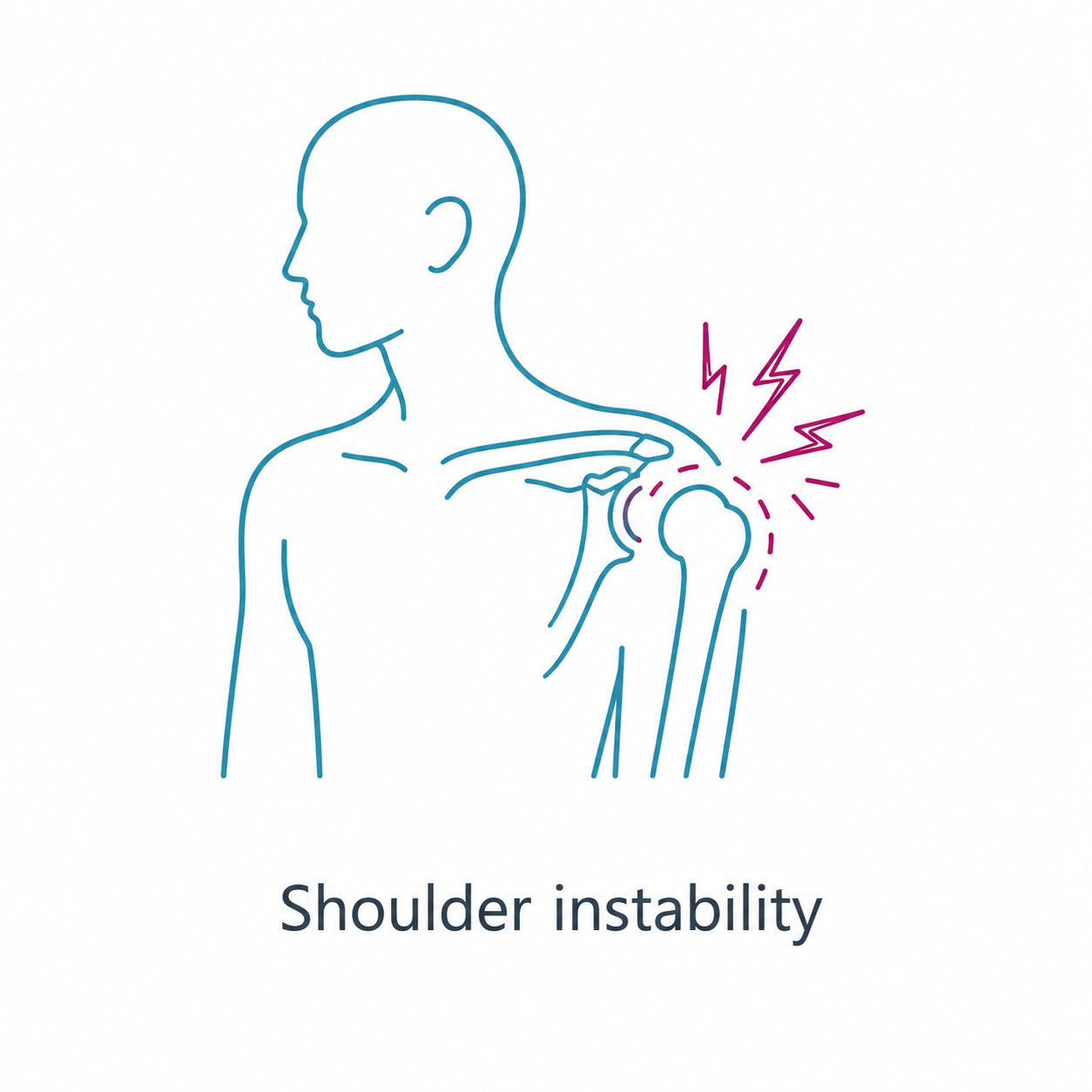
Shoulder instability

Shoulder instability describes a shoulder that feels as though it slips, partially comes out of joint, or fully dislocates. Some people experience repeated dislocations, while others simply feel that the shoulder is unreliable, weak or painful in certain positions.

What it often feels like

  • The shoulder slipping or partly coming out with certain movements
  • A sense of dread or apprehension reaching overhead or behind you
  • Full dislocations needing to be put back
  • A shoulder that feels unreliable, weak or painful in certain positions
  • Avoiding sports, swimming or sleeping with the arm above your head

Common reasons it happens

  • A significant injury such as a fall, sporting accident or collision that has forced the shoulder out of joint
  • Instability without any obvious injury, often from changes in the way the muscles around the shoulder work together to control the joint
  • A combination of both an injury and altered muscle control
  • A previous dislocation that damaged the cartilage (labrum), ligaments or socket rim
  • Naturally lax, flexible tissues
  • Bone loss from the socket or humeral head after repeated dislocations

Why does it happen?

Shoulder instability often starts after a significant injury such as a fall, sporting accident or collision, where the shoulder has been forced out of joint. This is known as traumatic instability. The damage may involve the cartilage rim (labrum), ligaments or the bone itself, and repeated dislocations can wear away bone over time.

Understanding the direction in which the shoulder becomes unstable — towards the front, the back or in more than one direction — is the most important part of deciding on the right treatment.
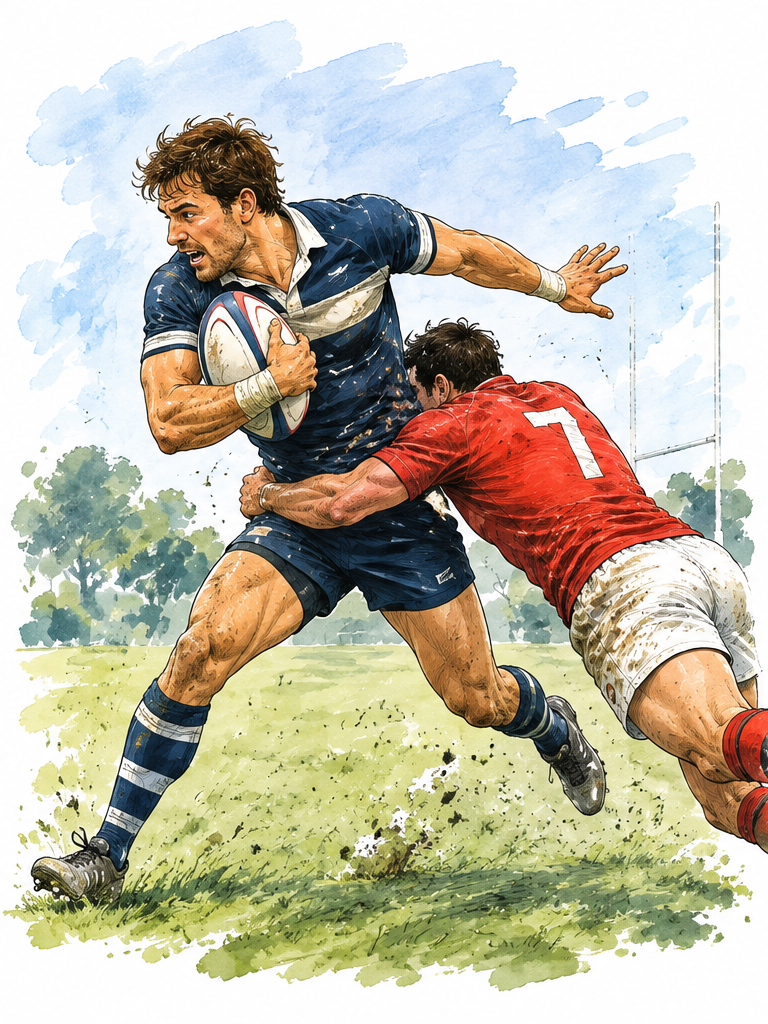
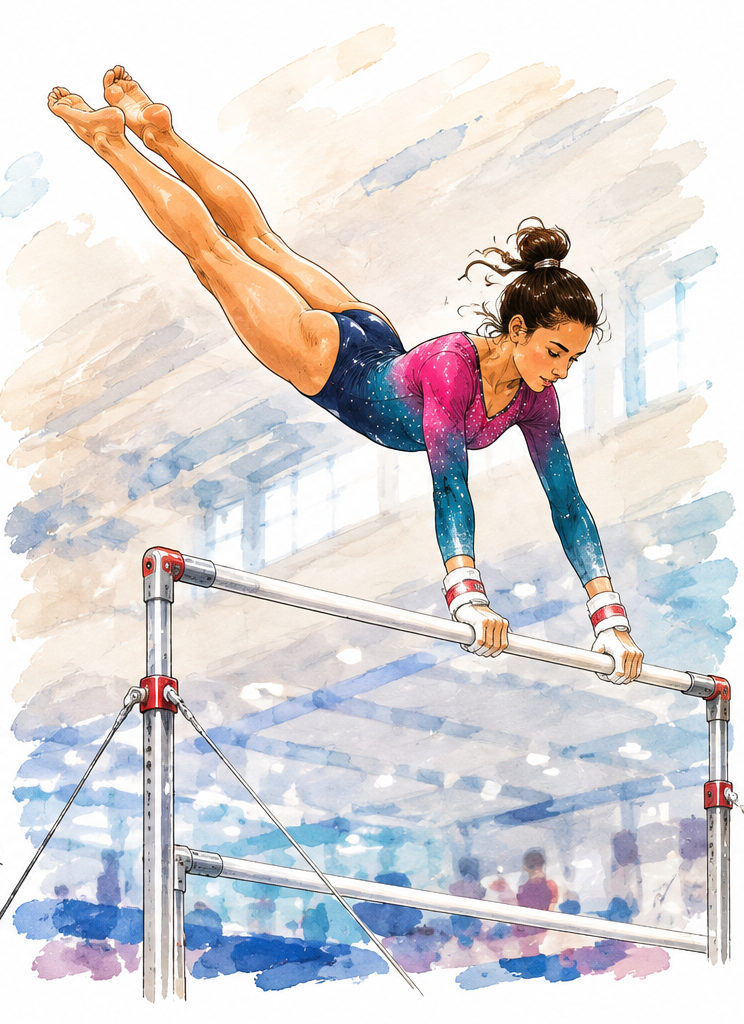
Illustration of a rugby player returning to contact sport after shoulder treatment
The aim is to get you back doing the activities you love

Overhead sports and naturally lax shoulders

Not all instability follows a single injury. Some people have naturally lax, flexible tissues, and others develop symptoms because of changes in the way the muscles around the shoulder and shoulder blade work together to control the joint. This is often seen in overhead sports such as gymnastics, swimming, climbing and throwing.

In these cases, specialist physiotherapy to improve muscle strength, coordination and shoulder blade control can significantly improve stability and, in many cases, avoid the need for surgery altogether.

Illustration of a gymnast returning to overhead sport after shoulder treatment
The aim is to get you back doing the activities you love

When structural damage matters

Some patients have structural damage following a dislocation, including injury to the cartilage (labrum), ligaments or the bone itself. Repeated dislocations can also wear away bone over time, or the initial injury may break a fragment of bone from the socket.

These bone injuries are important because they can influence which operation, if any, is most appropriate. In these situations a standard keyhole stabilisation procedure may no longer provide the most reliable result, and other surgical options may need to be considered.

Treatment options

A careful assessment, examination and simple X-rays can often provide a huge amount of information. Many patients do not initially need extensive scans. The aim is not simply to reduce pain, but to help restore comfortable movement, sleep and confidence in using the shoulder again.

  • Specialist physiotherapy to build strength, coordination and shoulder blade control
  • Rehabilitation before surgery, where an operation is likely to be needed
  • Activity and technique modification for sport and work
  • Imaging where it will genuinely change the plan, including assessment of bone loss
  • Keyhole (arthroscopic) stabilisation of the labrum and ligaments
  • Bone-block or other reconstructive procedures where there is significant bone loss

The first step is always a careful assessment. By understanding how your symptoms started, examining how your shoulder moves and functions, and arranging appropriate imaging where necessary, we can identify the underlying cause of your instability and decide together on the treatment that is most likely to restore confidence in your shoulder.

Conditions this can point to

Book a consultation with Miss Aparna Viswanath

If this sounds like what you are experiencing, we will find the earliest suitable appointment for you at Woodlands Hospital in Darlington.

Request an appointment