
4 October 2026
Do I need a scan for shoulder pain?
A scan can be extremely useful — but it isn't always the starting point, and more sophisticated imaging isn't necessarily better.
This is a really commonly asked question.
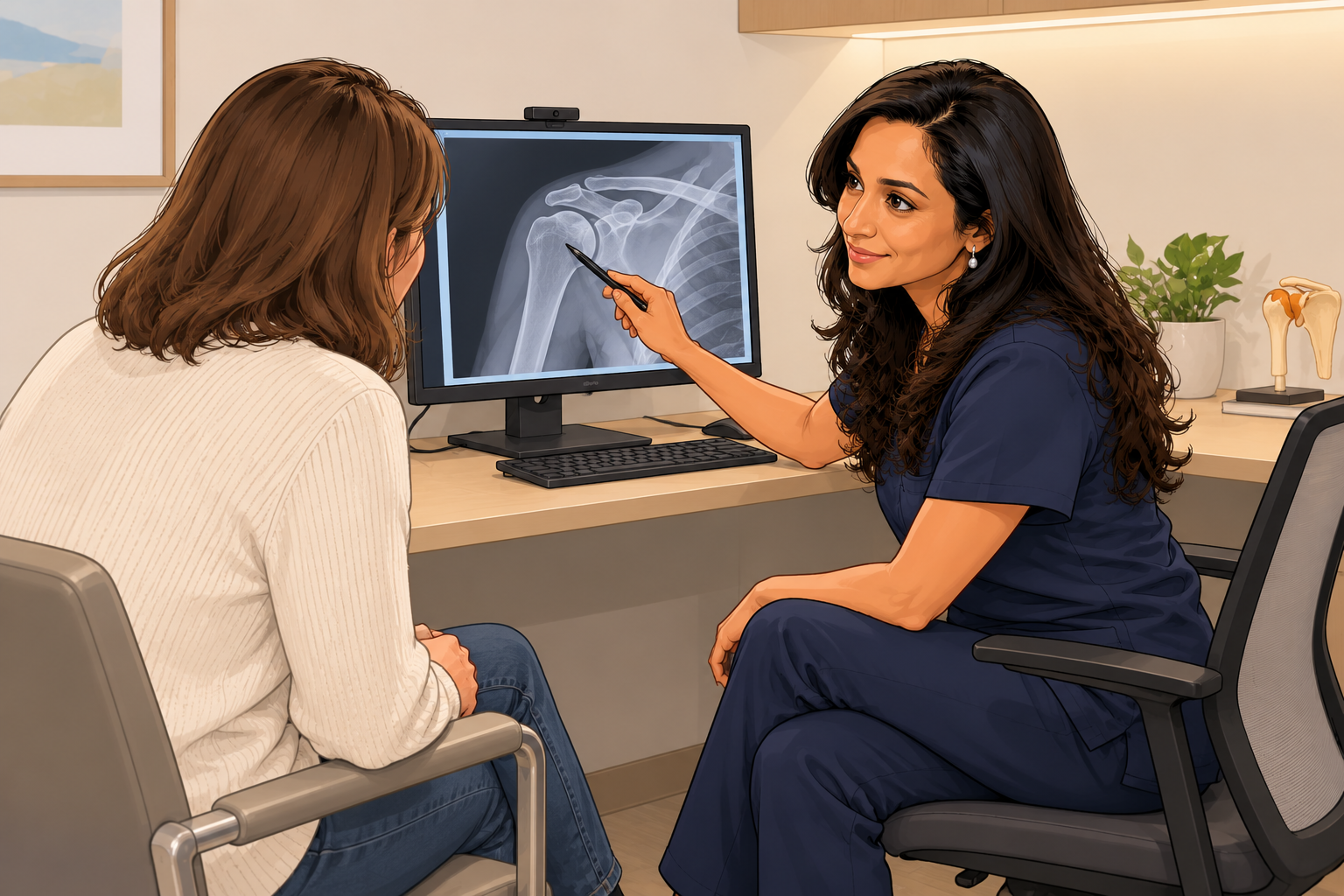
In general, I believe that most people know their own bodies and can tell when something isn't right. So the first and most important thing I do is listen to what you are telling me. Taking a careful history will often give me a very good idea of what might be causing your shoulder pain, and a clinical examination can usually help me narrow that down further.
A scan can be extremely useful — but it isn't always the starting point, and more sophisticated imaging isn't necessarily better.
Don't underestimate a simple X-ray
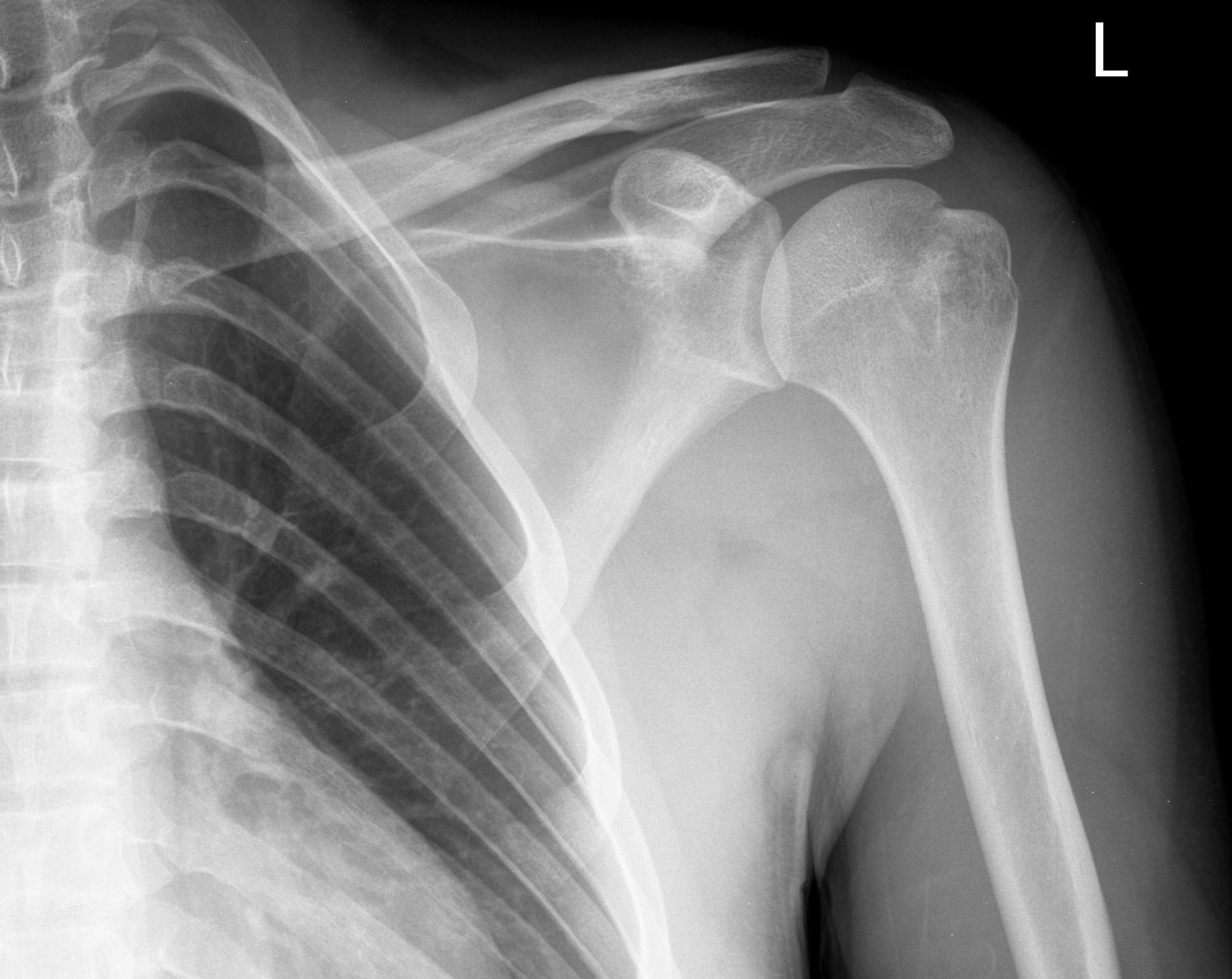
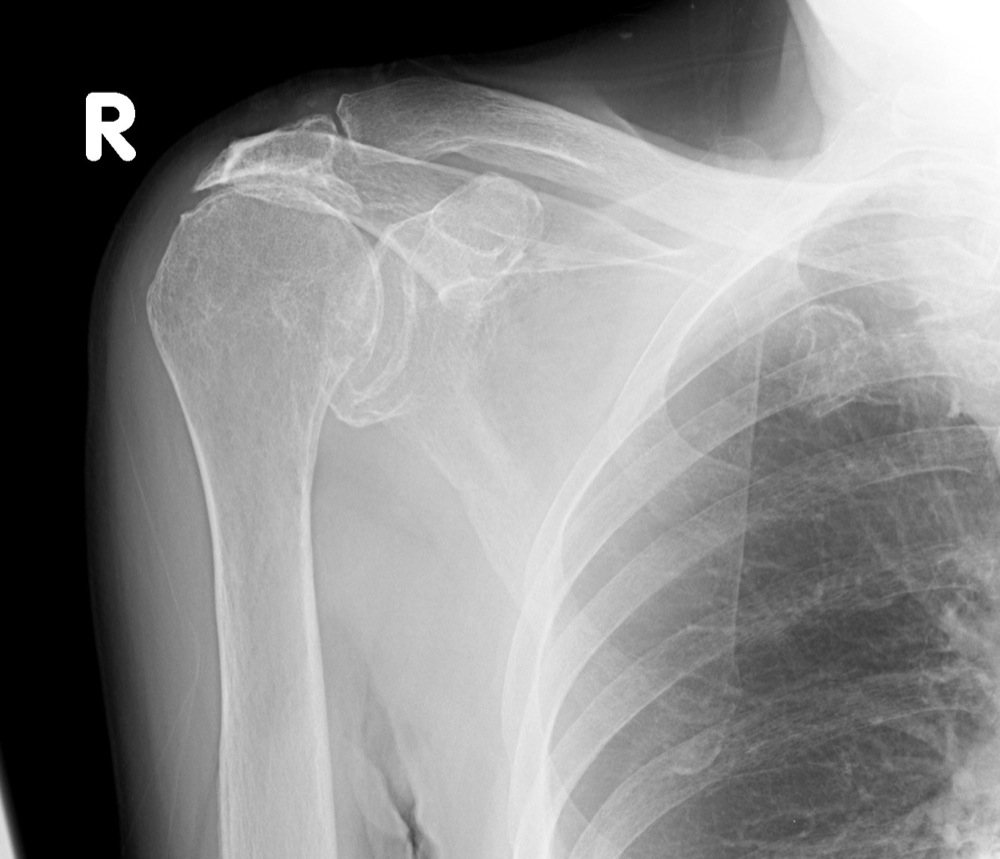
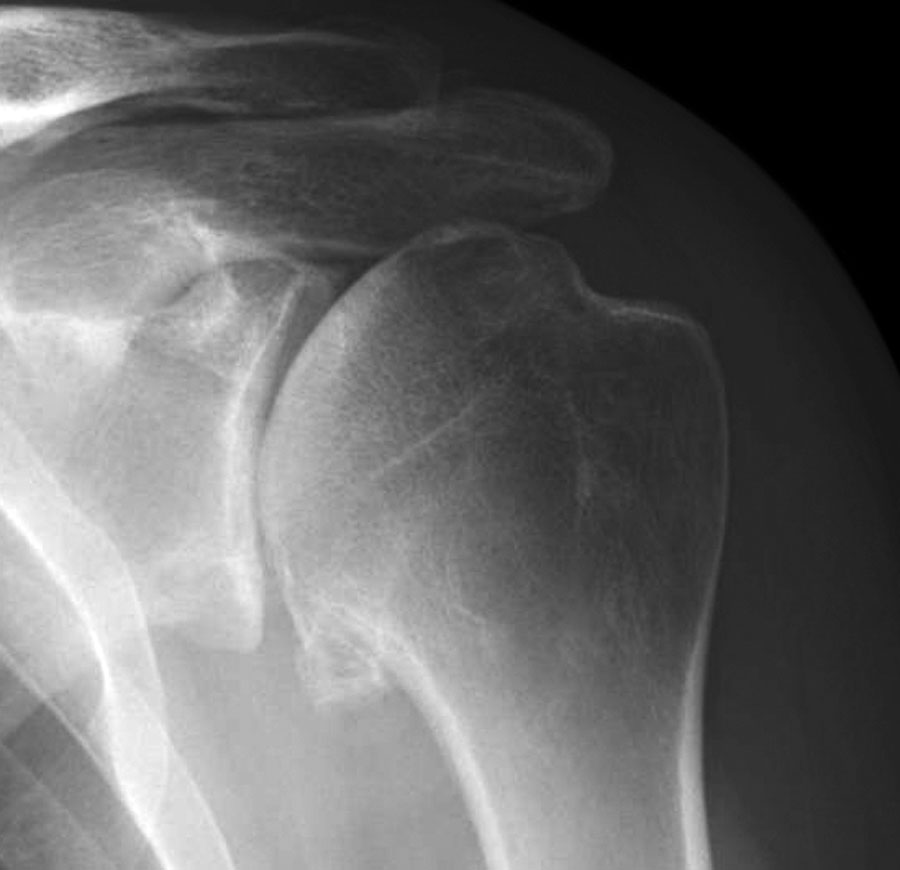
There is a lot more information to be gained from a plain X-ray than most people realise — particularly for someone whose job involves looking at shoulder X-rays!
It isn't simply about whether the overall shape of the shoulder looks normal. Small changes on an X-ray, when considered alongside the story you have given me and what I find when I examine you, can be incredibly useful.
For that reason, in almost all cases I would want at least a plain X-ray. It gives me useful information and helps make sure that we haven't missed something unexpected or concerning.
Do I need an ultrasound or MRI?
Sometimes an ultrasound or MRI is helpful to confirm a diagnosis or give us additional information. But the type of scan we need depends on what we are actually looking for.
This is one reason why I generally prefer imaging to be requested after assessment by a shoulder specialist rather than simply arranging an MRI for every painful shoulder.
For example, after a shoulder dislocation, a standard MRI isn't always the most useful investigation. In some circumstances an MR arthrogram may give us more useful information. The right investigation will depend on factors including how the injury happened, your current symptoms, what I find when I examine you and, to some extent, your age.
What if my MRI shows a rotator cuff tear?
This is another question I hear frequently.
Lots of people have rotator cuff tears without knowing that they have them. Finding a tear on an MRI therefore doesn't automatically mean that the tear is responsible for your symptoms — and it certainly doesn't automatically mean that you need surgery.
If your history and examination don't fit with a rotator cuff tear, then there is a danger that we end up treating the scan rather than treating you.
That's why I think it's so important to marry everything together: what has happened, what you are experiencing, what I find when I examine your shoulder, and then the supporting information provided by imaging.
Sometimes, once we've done that, you may not need a more advanced scan at all.
Sometimes scans are about planning treatment
There are also situations where we already know the diagnosis but need additional imaging to plan treatment properly.
Shoulder replacement is a good example.
For every patient in whom I am planning a shoulder replacement, I obtain a CT scan. I use this with 3D planning software to map the shoulder and plan the operation using the specific implants I may use.
This is an important part of my practice. I spend time before the operation working through the CT scan and the surgical plan so that, when I go into theatre, I already have a detailed understanding of the anatomy and how I intend to perform the operation.
So, do you need a scan?
Not necessarily.
I treat patients, not scans. A good history and careful examination come first. Imaging can then provide extremely useful supporting evidence, help confirm a diagnosis and, when surgery is appropriate, allow me to plan it accurately.
The important thing isn't simply to have *a* scan. It's to have the right investigation, for the right reason, at the right time.
Written by Miss Aparna Viswanath, Consultant Shoulder & Upper Limb Surgeon. General information only, not individual medical advice.
Book an appointmentBack to all articles