Pectoralis major rupture
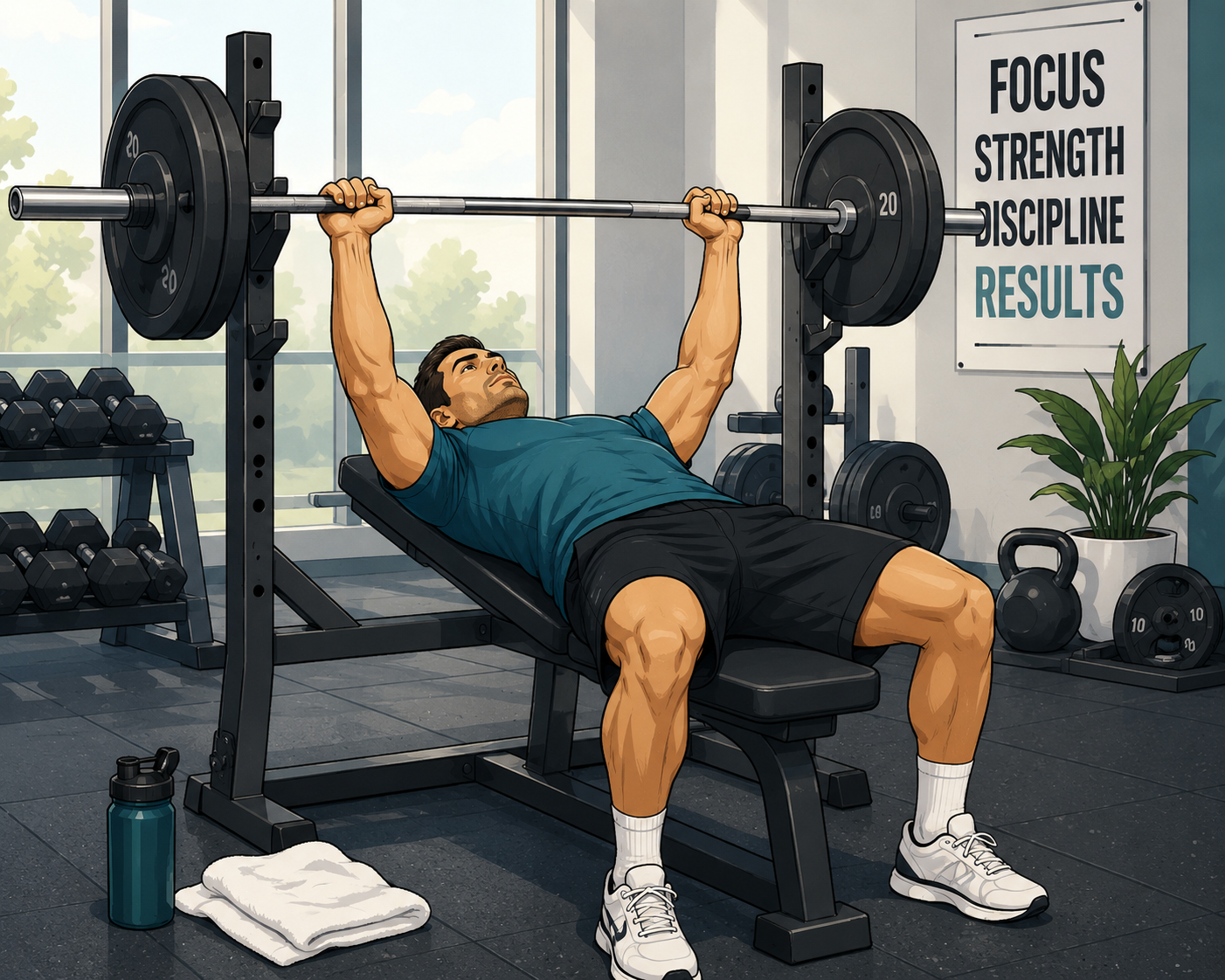
A pectoralis major rupture most commonly occurs during heavy weight training, particularly whilst bench pressing. Patients often describe feeling a sudden “pop” followed by pain, bruising and weakness, together with a change in the shape of the chest muscle.
Early diagnosis is important, as surgical repair generally provides the best results for active patients when performed soon after injury.
Distal biceps tendon rupture
The distal biceps tendon usually ruptures when attempting to catch or lift a heavy object unexpectedly. Patients often experience a sudden sharp pain in the front of the elbow followed by bruising, weakness and a characteristic change in the contour of the biceps muscle.
For active individuals, surgical repair is often recommended to restore strength, particularly for lifting and twisting movements such as using a screwdriver or opening jars.
Long head of biceps tendon rupture
Unlike the distal biceps tendon, a rupture of the long head of the biceps tendon within the shoulder rarely requires surgery. It is more often seen where the tendon has become worn over time, and typically causes sudden pain followed by bruising and a noticeable “Popeye” appearance of the upper arm.
Although the appearance can be alarming, most patients regain good function without an operation. However, a long head biceps rupture can sometimes be a sign of underlying rotator cuff disease, so assessment of the shoulder is often worthwhile.
Rotator cuff tears
A fall, sporting injury or heavy lifting can occasionally cause an acute rotator cuff tear. Patients often notice sudden pain together with weakness and difficulty lifting the arm.
Some tears can be managed successfully with physiotherapy, while others — particularly acute tears in otherwise healthy tendons — may benefit from early arthroscopic (keyhole) repair. The decision depends on the size of the tear, your symptoms and your activity level.
Shoulder dislocation and labral tears
Shoulder dislocations are common in contact sports such as rugby, hockey and skiing, but can occur following any significant fall. The shoulder may damage the cartilage (labrum), ligaments or bone as it dislocates.
Younger patients, particularly those returning to contact or overhead sports, have a higher risk of recurrent instability and may benefit from stabilisation surgery. Others can often return successfully to sport following a structured rehabilitation programme.
SLAP tears
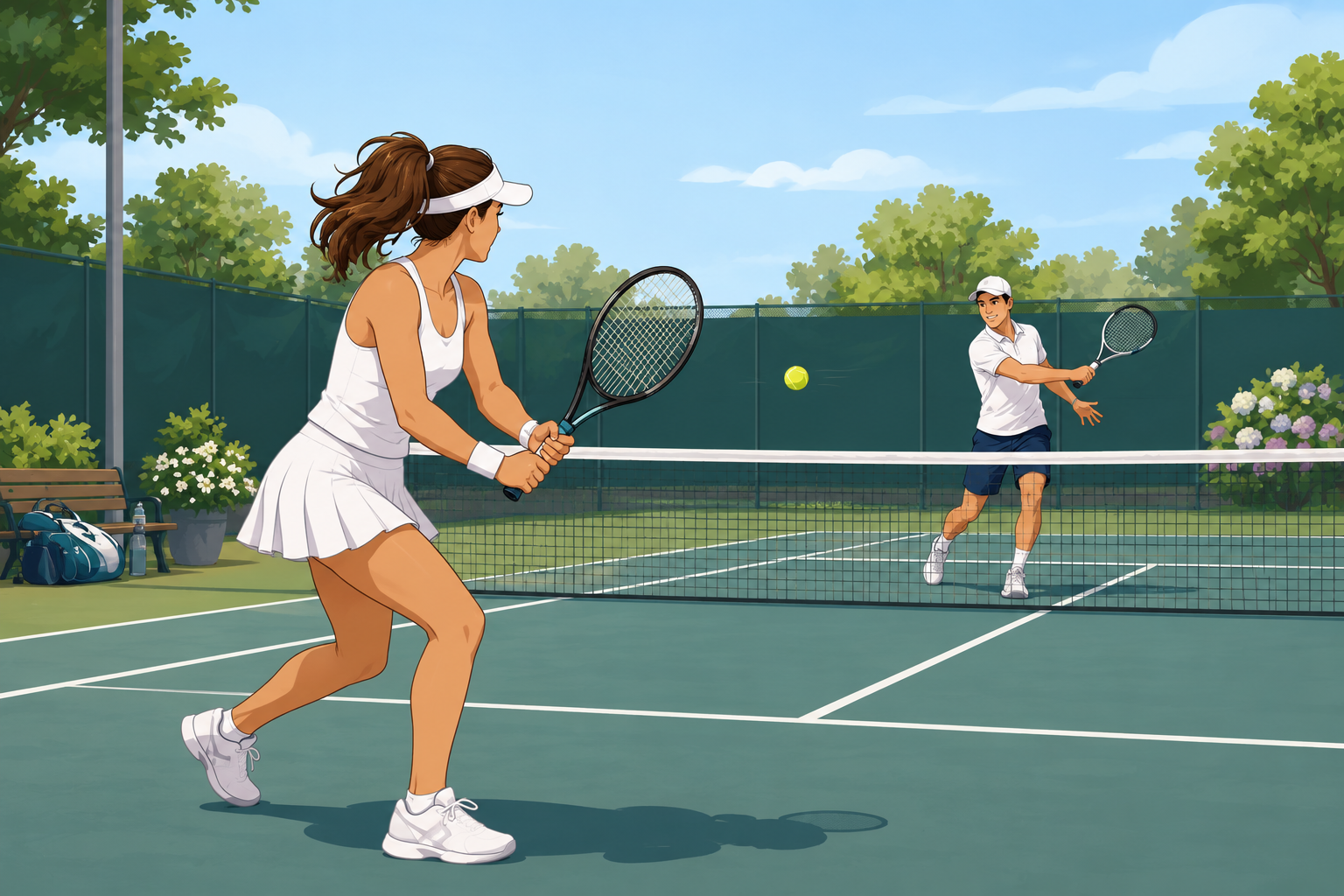
A SLAP tear is an injury to the cartilage at the top of the shoulder socket where the long head of the biceps tendon attaches. It can occur following a fall, a shoulder dislocation or repetitive overhead activities such as throwing, climbing or racquet sports.
Symptoms often include deep shoulder pain, painful clicking and discomfort during overhead movements. Treatment varies considerably, ranging from physiotherapy through to keyhole surgery in carefully selected patients.
Returning to sport
Every sporting injury is different. The most appropriate treatment depends not only on the diagnosis, but also on your sport, how long the problem has been present, your level of competition and your personal goals.
My aim is to help you return safely to the activities that matter most to you. Whether that is competitive rugby, recreational golf, CrossFit, swimming, yoga or simply enjoying an active lifestyle, we can decide together on the treatment that offers the best chance of a successful recovery.